Standby Generator Installation Process in Palm Beach County, FL
Standby Generator Installation Process in Palm Beach County, FL
If you're planning a standby generator project in Palm Beach County, understanding what happens before, during, and after installation can make it easier to compare project requirements and prepare the property before work begins.
A typical project may involve electrical-load review, generator sizing, equipment placement, fuel planning, permitting, site preparation, electrical and fuel connections, startup testing, and final inspection. The exact sequence can vary depending on the property, municipality, existing infrastructure, fuel source, and overall project scope.
This guide focuses on those project stages and the Palm Beach County conditions that can influence how a standby generator installation is planned and completed.
What Does the Standby Generator Installation Process Include?
A standby generator installation brings together electrical-load planning, equipment selection, fuel and electrical infrastructure, site preparation, local approvals, physical installation, and system testing.
Because the generator becomes part of the property's permanent electrical and fuel infrastructure, several project stages may need to be coordinated before the system can be placed into operation.
Typical Project Stages at a Glance
- Backup-power goals and electrical-load review
- Generator sizing and transfer-equipment planning
- Fuel-source and utility evaluation
- Generator placement, site access, and drainage planning
- Permitting and other required approvals
- Site preparation, equipment installation, and connections
- Startup testing and final inspection
What Can Affect the Installation Scope and Timeline?
Before moving forward with a standby generator installation, property owners should evaluate several key factors.
Property Layout, Placement & Access
Available equipment space, generator placement, access for installation, distance from electrical and fuel connections, drainage, landscaping, and surrounding structures can all influence how the project is planned.
Electrical Load & Existing Service
Existing panel and service conditions, desired backup coverage, major electrical loads, transfer-equipment requirements, and any necessary electrical modifications can affect both project scope and installation sequencing.
Fuel Source & Utility Coordination
Natural gas and propane projects can involve different connection, routing, storage, and coordination requirements. Existing fuel infrastructure should be evaluated early so it can be incorporated into the installation plan.
Permits, HOA & Inspection Requirements
Permitting, inspections, HOA procedures, utility coordination, and other approvals can vary by property and jurisdiction throughout Palm Beach County and may affect the order and timing of project stages.
Scheduling, Site Preparation & Weather
Equipment availability, site-preparation requirements, installation access, inspections, and South Florida weather can all influence when different parts of the project can be completed.
How Palm Beach County Conditions Can Affect Installation Planning and Timing
Standby generator projects in Palm Beach County may need to be planned around local weather, drainage, coastal exposure, property conditions, and approval requirements that can influence equipment placement or project timing.
- Hurricane and tropical-storm conditions — severe weather can affect scheduling, site work, equipment delivery, and project sequencing.
- Heavy rainfall and drainage — generator placement and site preparation should consider runoff and drainage conditions around the proposed equipment area.
- Coastal humidity and salt-air exposure — coastal properties may require additional attention to equipment location and long-term environmental exposure.
- Low-lying or waterfront site conditions — property conditions can influence placement, access, and site-preparation planning.
- Municipal, HOA, and inspection requirements — approval steps may vary between communities and jurisdictions throughout Palm Beach County.
Accounting for these conditions early can help clarify equipment placement, site-preparation needs, approval requirements, and the sequence of work before installation begins.
View Palm Beach County generator service areas and city-specific project considerations.
What to Expect During a Standby Generator Installation Project
The exact sequence can vary by property and jurisdiction, but a Palm Beach County standby generator project commonly moves through the following planning, approval, installation, and testing stages.
Backup-Power Goals & Initial Load Review
The project begins by identifying the systems the property should support during an outage and reviewing electrical demand, major loads, desired coverage, existing equipment, and known fuel options.
Property, Generator Placement & Fuel Evaluation
The proposed installation area is reviewed for equipment placement, electrical and fuel connections, service access, drainage, clearances, existing infrastructure, and other property conditions that may affect the project.
Generator Sizing, Transfer Equipment & System Planning
Generator capacity, transfer equipment, load-management requirements, fuel configuration, and supporting electrical work are planned around the property's actual loads and desired level of backup coverage.
Permitting, HOA & Utility Coordination
Applicable permit applications, HOA procedures, utility or fuel-provider coordination, and other required approvals are addressed before the corresponding installation work proceeds. Requirements can vary by municipality and property within Palm Beach County.
Site Preparation, Generator Installation & Connections
The installation area is prepared as required, the generator and transfer equipment are placed, and the planned electrical and fuel connections are completed according to the project scope and approved site requirements.
Startup, Transfer Testing & Final Inspection
The completed system is started and tested to verify generator operation and automatic transfer functionality. Required inspections and final project checks are completed before the installation is considered finished.
How the Installation Process Can Affect Project Cost
Installation cost is influenced not only by generator capacity, but also by the work required at different stages of the project. Electrical modifications, transfer equipment, fuel connections, generator placement, site preparation, property access, and permitting or inspection requirements can all affect the final scope..
For pricing ranges and a more detailed breakdown of these factors, see the Standby Generator Installation Cost Guide for Palm Beach County.
What to Prepare Before Requesting a Generator Installation Estimate
Providing a few property and project details can make the initial installation discussion more useful and help identify which site, electrical, fuel, or permitting questions may need further review.
Palm Beach County property location
New installation, replacement, or upgrade
Systems or electrical loads you want backed up
Existing generator equipment, if any
Natural gas or propane availability, if known
General generator-placement or access considerations
HOA or gated-community requirements, if applicable
Preferred project timing
Exact requirements can be confirmed during a property-specific evaluation, so homeowners do not need to know generator size or every technical detail before requesting an estimate.
Resources for Planning a Standby Generator Installation
Use these guides to explore the installation service itself, project costs, outage-planning priorities, and generator choices that may need to be considered before or during a Palm Beach County project.

Explore generator sizing, fuel options, placement, electrical integration, replacement projects, and other considerations involved in a permanent standby generator installation.
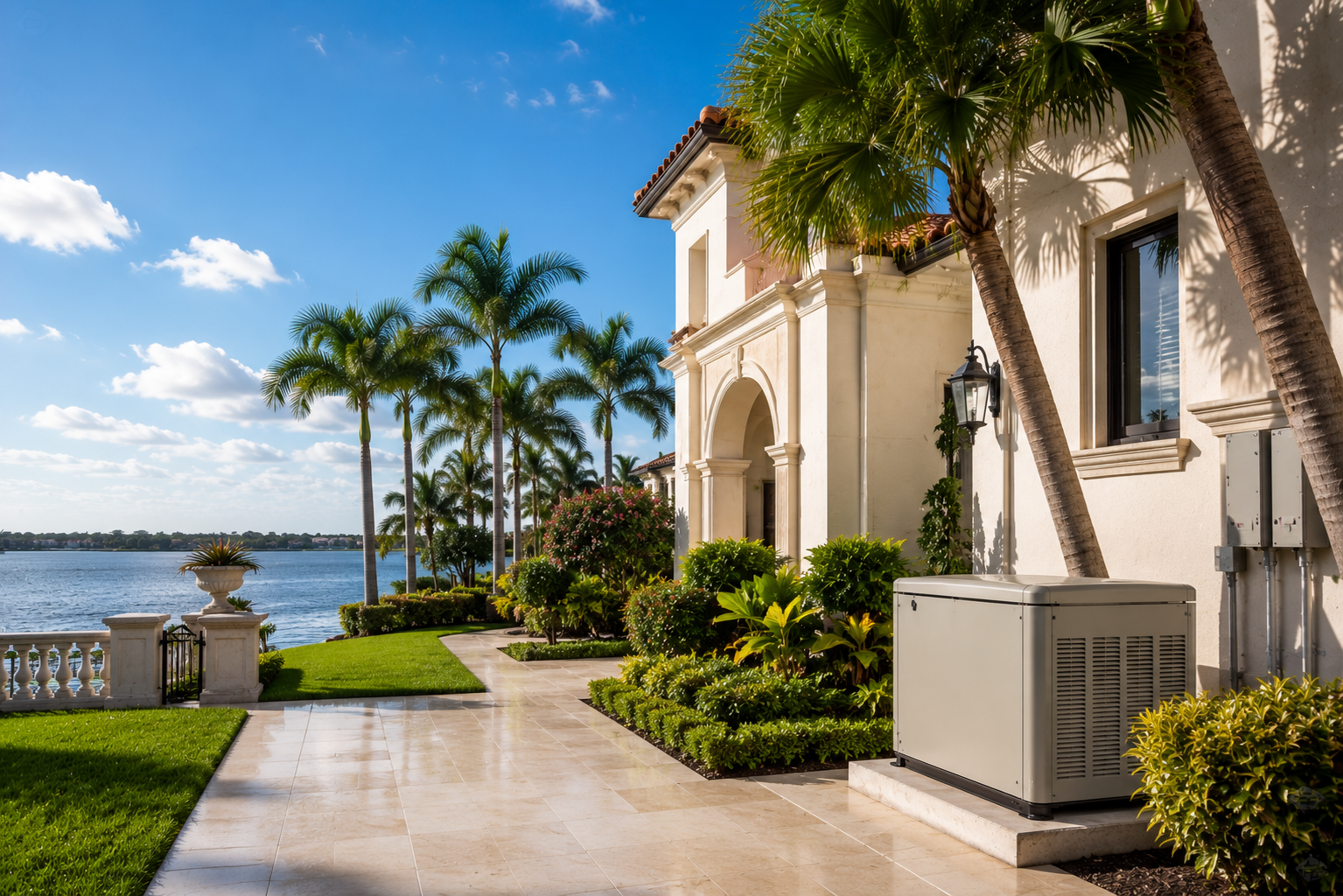
Review Palm Beach County planning ranges and the equipment, fuel, electrical, site, permitting, and access factors that can influence the total installation cost.

Explore how outage priorities, essential loads, expected coverage, and fuel planning can influence the backup-power requirements established before installation begins.
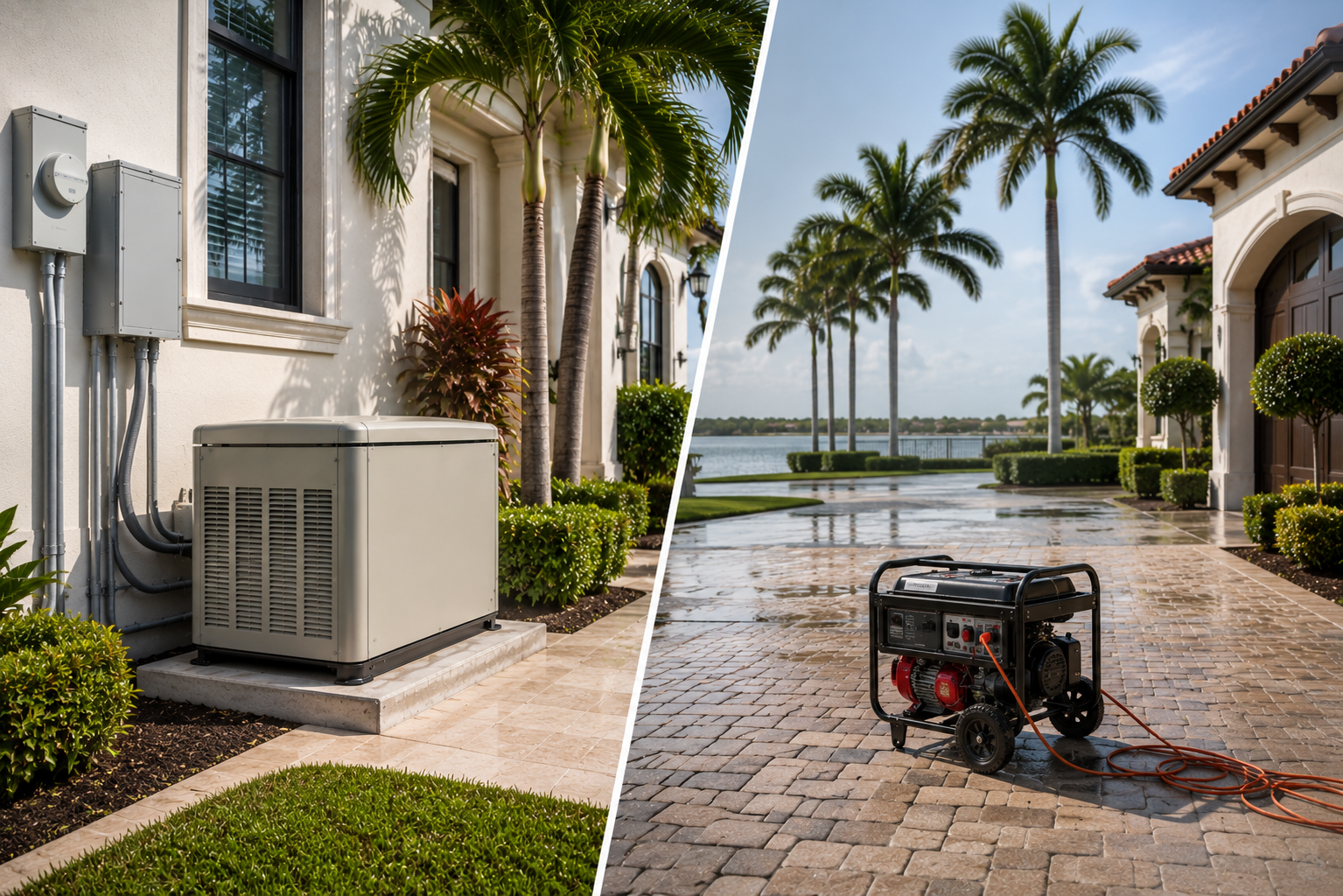
Compare permanent standby and portable generator approaches if you are still deciding which type of backup-power system best fits your property's outage and usage requirements.
Request a Standby Generator Installation Estimate in Palm Beach County
If you're preparing for a new standby generator installation, replacement, or system upgrade in Palm Beach County, a property-specific estimate can help clarify the equipment, site, electrical, fuel, and approval requirements involved.
Providing your location, desired backup coverage, existing generator or electrical information, known fuel source, and project timing can help an independent local professional better understand the project.
Call or submit a request to be connected with a local generator professional.
Request an Estimate
We will get back to you as soon as possible.
Please try again later.
Standby Generator Installation Process FAQs for Palm Beach County Properties
What happens before a standby generator is installed?
Planning typically includes reviewing backup-power goals, electrical demand, generator placement, fuel availability, existing electrical infrastructure, site access, and applicable approval requirements before installation work begins.
How long does the standby generator installation process take?
The overall timeline can include planning, equipment selection, permitting, utility or fuel coordination, site preparation, installation, inspections, and final testing. Timing varies based on project complexity, equipment availability, property conditions, and local approval requirements.
Do permits and inspections affect the installation process?
They can. Applicable permits, inspections, HOA procedures, and utility or fuel-provider requirements may need to be coordinated with other project stages. Requirements can vary by location and scope within Palm Beach County.
What happens during the physical generator installation?
Depending on the project, work may include preparing the equipment location, placing the generator and transfer equipment, completing electrical connections, installing or connecting the fuel system, and integrating the generator with the property's electrical infrastructure.
What is tested before the generator installation is completed?
The system is typically started and checked for proper generator operation and automatic transfer functionality. Required final inspections or project reviews are also completed as applicable.
Can Palm Beach County weather or site conditions affect the installation timeline?
Yes. Heavy rainfall, drainage conditions, storm activity, property access, coastal exposure, and site-preparation requirements can affect scheduling or the sequence of installation work.