Standby Generator vs Portable Generator in Palm Beach County, FL
Comparing Standby and Portable Generators for Palm Beach County Properties
Choosing between a standby generator and a portable generator depends on more than the initial purchase price. Palm Beach County property owners may need to consider the amount of backup power required, expected outage duration, fuel availability, manual setup requirements, property conditions, and how quickly power should be available when utility service is interrupted.
A permanently installed standby system and a portable generator can both provide backup electricity, but they differ substantially in how they are installed, fueled, connected, operated, and used during an outage.
This guide compares those differences so you can identify which approach may better fit your property, backup-power priorities, budget, and expected use.
- Essential appliances
- Short-term outages
- Recreational applications
- Limited backup power needs
What Is a Standby Generator?
A standby generator is a permanently installed backup-power system designed to operate with the property's electrical system and an automatic transfer arrangement. When utility power is interrupted, a properly configured system can start automatically and supply the circuits or loads included in the backup-power plan.
Standby systems may be considered when property owners want:
- Automatic response to a utility outage
- Essential-load or broader whole-home coverage
- Permanent electrical integration
- Natural gas or propane operation where available and appropriate
- A backup-power system intended for recurring or extended outage use
For Palm Beach County properties, generator capacity, fuel availability, placement, electrical infrastructure, and site requirements all influence how a permanent standby system is planned.
What Is a Portable Generator?
A portable generator is a movable backup-power source that generally requires the user to position the equipment, provide fuel, start the generator, and connect the intended loads when an outage occurs.
Portable generators may be considered when property owners prioritize:
- Lower initial equipment cost
- Temporary or occasional backup power
- Power for a limited number of selected appliances or circuits
- Equipment that is not permanently installed at the property
- A backup approach where manual setup during an outage is acceptable
Capacity, fuel type, electrical connection method, storage, and safe operating location all need to be considered when deciding whether a portable generator is practical for a specific property.
Side-by-Side Comparison
| Comparison Factor | Standby Generator | Portable Generator |
|---|---|---|
| System Type | Permanently installed backup-power system | Movable temporary backup-power equipment |
| Outage Response | Can start automatically when integrated with automatic transfer equipment | Typically requires manual positioning, startup and connection |
| Backup Coverage | Can be configured for selected loads or broader whole-home coverage | Typically used for selected appliances, equipment or limited loads, depending on capacity |
| Electrical Integration | Permanently integrated with the property's electrical system | Connection method varies; powering household circuits requires an appropriate electrical connection |
| Fuel | Commonly natural gas or propane, depending on equipment and availability | Fuel options vary by model and may include gasoline, propane or dual-fuel configurations |
| Installation | Requires permanent equipment placement and electrical/fuel integration | Generator itself is portable; permanent home-electrical connections are a separate consideration |
| Setup During an Outage | Minimal manual setup after a properly installed system is ready for operation | Requires manual preparation and operation |
| Initial Cost Profile | Higher because equipment and permanent installation are involved | Generally lower equipment-entry cost |
| Property Space | Requires a compliant permanent installation location | Requires storage plus a safe outdoor operating location |
| Best Fit | Property owners prioritizing automatic operation and more integrated backup coverage | Occasional or limited-load backup where manual operation is acceptable |
These differences provide a planning overview rather than a recommendation for every property. Generator capacity, fuel availability, electrical requirements, property layout, expected outage use, and budget should all be evaluated before choosing between the two approaches.
Benefits and Considerations of Standby and Portable Generators
Benefits of Standby Generators
Common advantages can include:
- Automatic startup when configured with appropriate transfer equipment
- Essential-load or broader whole-home coverage
- Permanent integration with the property's electrical system
- Less manual setup when an outage begins
- Practicality for properties planning around recurring or extended outages
Standby Generator Considerations
Important considerations include:
- Higher initial project cost
- Permanent equipment placement
- Electrical and fuel-system requirements
- Permitting or other local approvals where applicable
- Routine testing and maintenance requirements
Benefits of Portable Generators
Common advantages can include:
- Lower initial equipment cost
- Flexible use for selected loads
- No permanently installed generator equipment
- Practicality for occasional or short-duration backup needs
Portable Generator Considerations
Important considerations include:
- Manual setup and startup during an outage
- Available capacity for the loads being powered
- Fuel storage and refueling
- Safe outdoor operating space
- Safe electrical connection methods when household circuits are being supplied
The better fit depends on how much power the property needs, how frequently backup power may be used, whether automatic operation is important, and how much manual setup the owner is prepared to manage.
This is paragraph text. Click it or hit the Manage Text button to change the font, color, size, format, and more. To set up site-wide paragraph and title styles, go to Site Theme.
Which Generator Type Better Fits Your Backup-Power Goals?
The decision becomes clearer when the comparison is based on how the system will actually be used rather than on equipment type alone.
For Palm Beach County properties, the choice should also account for fuel availability, property layout, electrical requirements, hurricane-season planning, and the amount of power that may be needed during an extended interruption.
A Standby Generator May Be a Better Fit If:
- You want backup power to start automatically
- You want selected essential loads or broader home coverage integrated into the property
- Extended hurricane- or storm-related outages are an important planning concern
- Permanent generator placement and installation are practical for the property
- You prefer to minimize manual setup after an outage begins
A Portable Generator May Be a Better Fit If:
- Initial equipment cost is a major consideration
- You only need to support a limited number of selected loads
- Backup power is expected to be occasional
- Manual positioning, fueling and startup are acceptable
- The property has appropriate storage and a safe outdoor operating area
Portable Generator Setup and Safety Are Part of the Comparison
A portable generator requires more than available storage and fuel. The property must also provide an appropriate outdoor operating location and a safe method for supplying the intended electrical loads.
Portable generators should never be operated inside a home, garage, enclosed area, porch, or other location where exhaust can allow carbon monoxide to enter the property. Current CPSC guidance calls for operating portable generators outdoors at least 20 feet from homes and other buildings, with exhaust directed away from doors, windows, and vents.
Electrical connection, extension cords, transfer equipment, fuel handling, and wet-weather operation should follow equipment instructions and applicable safety requirements.
These setup requirements are an important part of comparing a manually operated portable generator with a permanently installed standby system.
How Palm Beach County Conditions Can Affect the Standby vs Portable Decision
Backup-power planning in Palm Beach County should consider both outage conditions and the practical requirements of operating each type of generator.
Hurricane and Extended-Outage Planning
Tropical weather can create outages lasting long enough that fuel availability, generator runtime, cooling requirements, and the amount of manual attention a system needs become important comparison factors.
Fuel Availability and Refueling
A permanent standby system may use an existing natural-gas supply or propane installation, while many portable systems require fuel to be stored or obtained and manually replenished. Actual options depend on the equipment and property.
Property Layout and Generator Placement
Standby generators require a suitable permanent installation location. Portable generators require both storage space and an appropriate outdoor operating location away from the home and openings when in use.
Electrical Loads and Cooling Needs
Palm Beach County homes can differ substantially in HVAC demand and other electrical loads. Deciding which circuits or systems need backup can help determine whether limited portable capacity or a permanently integrated system is more practical.
Local Approval and Installation Requirements
Permanent standby installations may involve electrical, fuel, placement, permitting, HOA, or inspection considerations depending on the property and jurisdiction. These requirements should be considered when comparing project scope.
Local conditions do not automatically make one generator type right for every property, but they can significantly affect convenience, installation requirements, fuel planning, and the amount of backup coverage that is practical.
Explore standby generator and backup-power service areas throughout Palm Beach County
How Standby and Portable Generator Costs Differ
Standby Generator Cost Considerations
A standby-generator project generally involves both equipment and permanent installation costs. Generator capacity, transfer equipment, electrical work, fuel connections, generator placement, site preparation, permitting, and property access can all affect the project scope.
Portable Generator Cost Considerations
Portable generators generally have a lower equipment-entry cost because they do not require a permanently installed generator system. However, fuel, cords or connection equipment, storage, maintenance, and any professionally installed home-electrical connection should also be considered when comparing overall cost.
For detailed Palm Beach County standby-generator pricing ranges and installation-cost factors, see the Standby Generator Installation Cost Guide.
Which Option Offers Better Long-Term Value for Your Property?
Long-term value depends on how the generator will actually be used rather than simply on which system has the higher initial price.
Useful comparison factors include:
- Initial equipment or installed project cost
- Amount of backup coverage required
- Expected outage frequency and duration
- Automatic versus manual operation
- Fuel availability and refueling requirements
- Routine maintenance
- Storage or permanent-placement requirements
- Expected length of ownership and future backup-power needs
A permanently installed standby generator may justify its higher initial project cost for a property where automatic operation, broader coverage, and recurring or extended-outage readiness are priorities. A portable generator may provide better economic value where backup needs are occasional, limited, and compatible with manual operation.
The better value is therefore the system that meets the property's actual backup-power requirements without paying for capacity or features that are unlikely to be used.
Resources for Comparing Backup-Power Options
If the comparison raises questions about permanent installation, project cost, outage planning, or the installation sequence, these guides provide the next level of detail for Palm Beach County properties.

Explore generator sizing, fuel options, placement, electrical integration, replacement projects, and other considerations involved in choosing a permanent standby system.
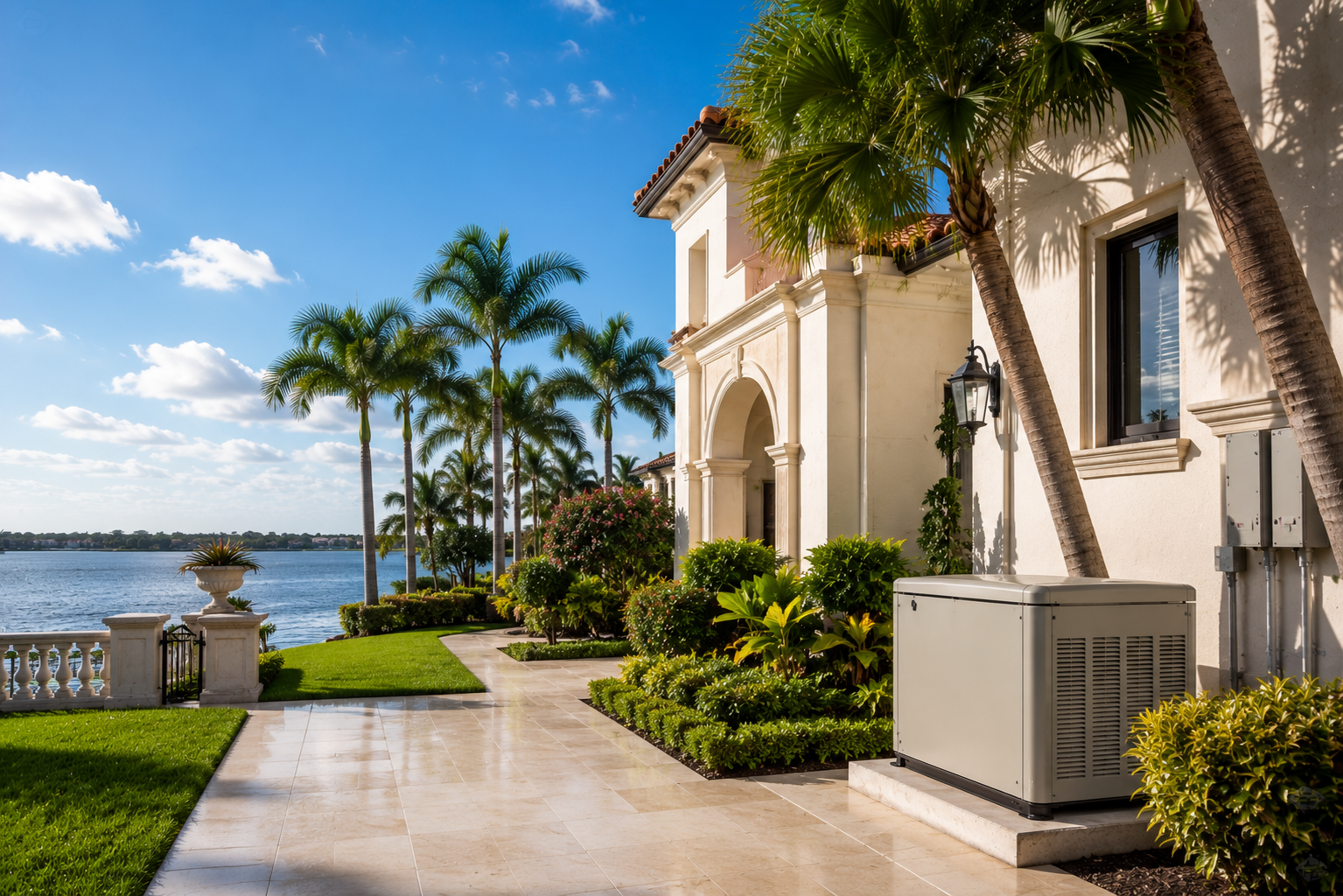
Review Palm Beach County cost ranges and the generator, fuel, electrical, site, and permitting factors that can affect a permanent installation.

Explore outage planning in more detail, including essential loads, backup coverage, expected outage needs, fuel planning, and automatic power restoration.
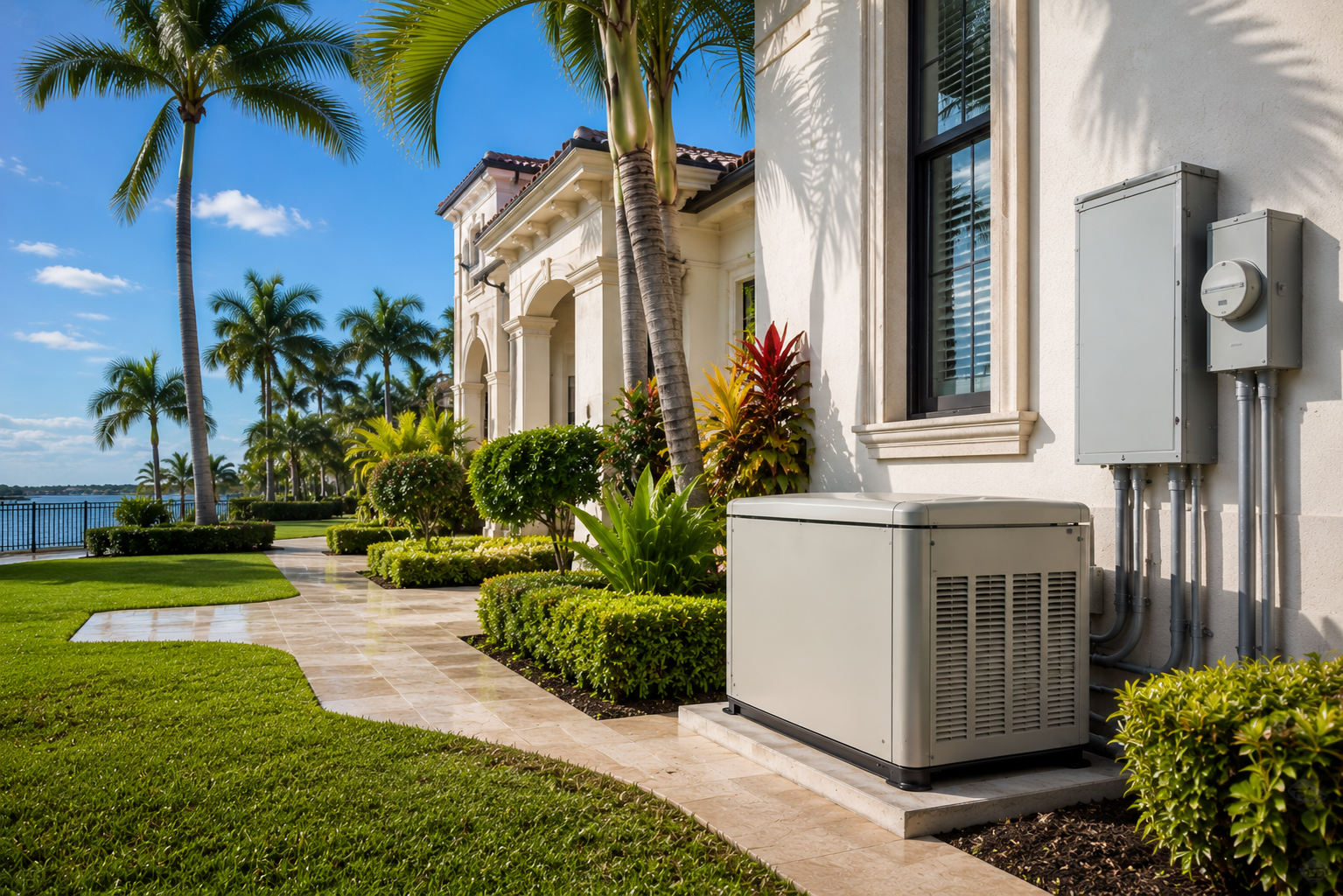
Learn what happens from initial load and site review through equipment planning, approvals, installation, testing, and final inspection.
Need Help Comparing Standby and Portable Generator Options?
The better choice depends on your Palm Beach County property, electrical loads, expected outage needs, fuel availability, budget, and preference for automatic or manual operation.
If you are considering a permanent standby system, a property-specific evaluation can help clarify generator capacity, fuel options, placement, electrical requirements, installation scope, and expected cost.
Submit a request to be connected with an independent local generator professional who can discuss your property and available backup-power options.
Request a Backup-Power Evaluation
Submit a request today to get connected with a qualified local professional.
We will get back to you as soon as possible.
Please try again later.
Standby vs Portable Generator FAQs for Palm Beach County Properties
Is a standby generator always better than a portable generator?
No. A standby system may be more practical when automatic operation, permanent electrical integration, or broader backup coverage is important. A portable generator may be sufficient when backup needs are occasional, limited, and compatible with manual setup.
Which generator requires less setup during an outage?
A properly installed standby generator with automatic transfer equipment requires substantially less manual intervention when utility power is interrupted. Portable generators generally need to be positioned, fueled, started, and connected when needed.
Can a portable generator power an entire home?
That depends on generator capacity, the home's electrical demand, and the connection arrangement. Portable generators are commonly used for selected loads, while broader household coverage requires careful load planning and an appropriate electrical connection.
Which option is usually less expensive initially?
A portable generator generally has a lower initial equipment cost because it does not involve a permanently installed generator system. Standby-generator projects include equipment plus electrical, fuel, placement, permitting, and other installation work as applicable.
Do portable generators need to be operated outside?
Yes. Portable generators produce carbon monoxide and should never be operated inside a home, garage, or other enclosed area. CPSC guidance calls for outdoor operation at least 20 feet from homes and buildings, with exhaust directed away from doors, windows, and vents.
What should Palm Beach County homeowners compare before choosing?
Consider the electrical loads that need backup, expected outage duration, desired automation, fuel availability, property layout, safe equipment placement, initial and ongoing costs, and how much manual operation will be practical during a storm or extended outage.